
Identifying Siding Damage Before Winter Weather Hits
As summer fades and the crisp autumn air moves into the Twin Cities, homeowners start thinking about winter preparations. While cleaning the gutters and raking leaves are standard weekend chores, one crucial element often gets overlooked: the exterior walls of your home. After a season filled with sudden thunderstorms, heavy rain, and occasional hail, your home's exterior may have taken a beating. Identifying siding damage before winter weather hits is essential to protecting your property from freezing temperatures, moisture intrusion, and the heavy snow load that defines our colder months.
If you wait until the first blizzard to find out your exterior is compromised, you could be facing severe energy loss, drafts, and even internal water damage. Knowing how to evaluate house siding after severe storms can save you significant time, money, and stress down the road. Let's walk through what you should be looking for as you prepare your property for the coming freeze.
How to Inspect Siding for Hidden Weather Damage
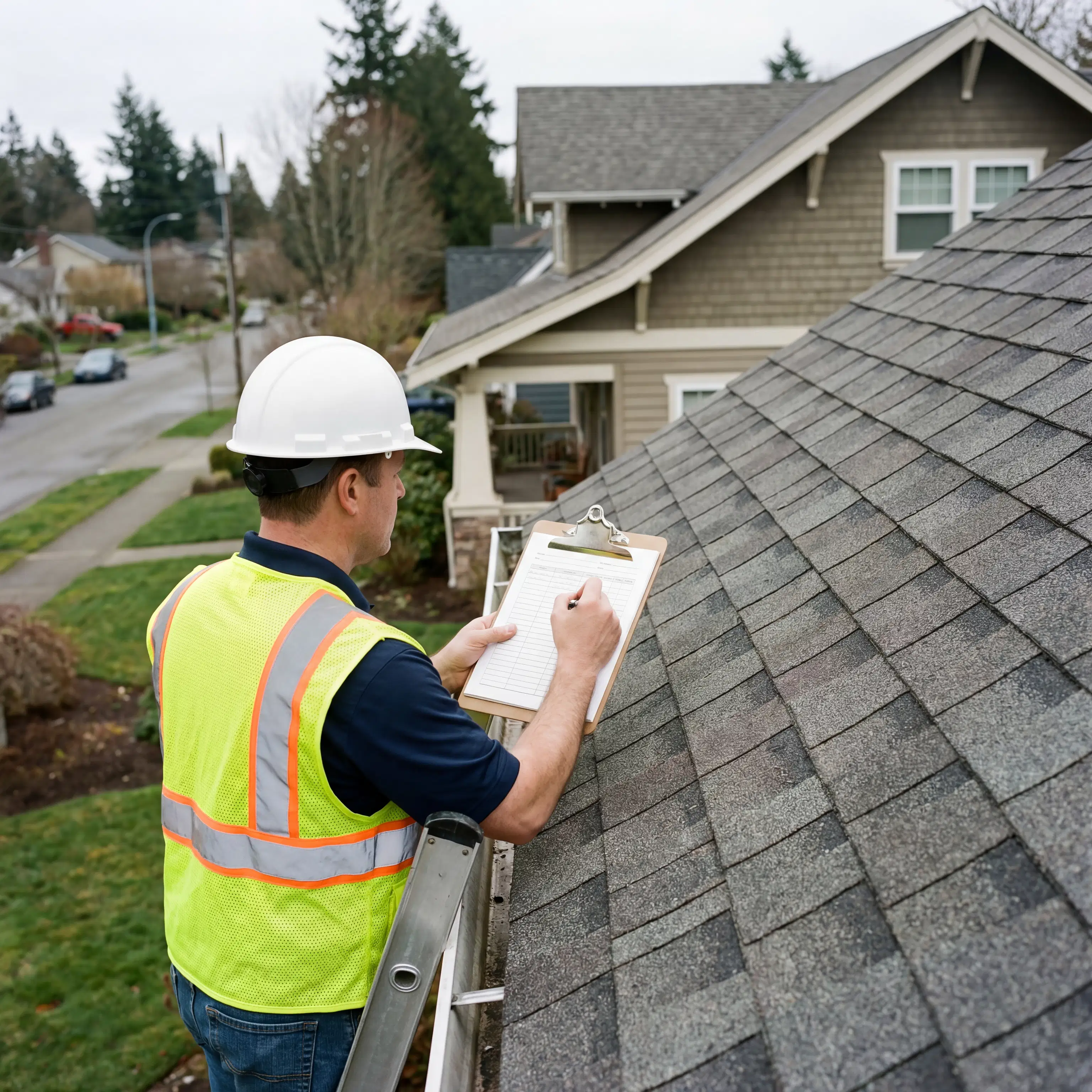
Evaluating your home after a severe weather event isn't always as simple as spotting a missing panel. Often, the damage is subtle and requires a careful eye. When you are figuring out how to inspect siding for hidden weather damage, start with a visual sweep during the brightest part of the day. Walk the perimeter of your property and look closely at the walls facing the direction most summer storms roll in from.
For vinyl siding, keep an eye out for small cracks, semi-circular fractures, or chipping at the bottom of the panels. These are classic hallmarks of hail impacts. Aluminum siding, common on many older homes in the area, tends to dent rather than crack. If you have wood siding or engineered wood, look for deep gouges or paint that has been aggressively stripped away by wind-driven debris.
It is also important to check the seams where panels meet and the areas around your windows and doors. High winds can loosen panels, creating small gaps that allow winter moisture to seep behind the protective layer. If water freezes behind your siding, it expands, causing panels to warp or pop off completely. While a visual walkthrough is a great starting point, some issues are invisible from the ground. This is why having a professional damage inspection is invaluable. Today's industry standards often involve advanced technology, such as drone-based inspections and AI-powered 3D modeling, allowing experts to safely and accurately evaluate every inch of your exterior without the risk of climbing.
Signs Exterior Siding Needs Replacement
Sometimes, the wear and tear on a home goes beyond minor cosmetic issues and points to a structural failure. Recognizing the signs exterior siding needs replacement can prevent a cascade of winter-related headaches, including ice dams and frozen pipes caused by poor insulation.
One of the most obvious signs is warping or buckling. If your panels no longer lay flat against the house, their structural integrity has been compromised. This often happens when moisture gets trapped behind the material and causes rot or swelling in the underlying sheathing. If you notice soft spots or crumbly wood when you press gently on your exterior walls, the material has reached the end of its lifespan.
Another hidden indicator is a sudden spike in your heating bills. Your siding acts as the first layer of insulation for your home. If it is damaged, drafty, or failing, your HVAC system has to work overtime to keep the house warm. If you are experiencing unexplained drafts near your walls or feeling cold spots indoors, your exterior barrier is likely failing.
Additionally, extensive fading, peeling paint, or chalking are signs that the weatherproofing has worn away. While minor damage might be patchable, widespread issues usually mean it is time to consider a complete siding installation. Upgrading to modern, energy-efficient materials not only protects your home from the bitter cold but also significantly boosts your curb appeal.
Navigating the Insurance Process for Storm Damage
One of the biggest hurdles homeowners face when dealing with storm-damaged exteriors is the complex insurance claim process. It can be incredibly overwhelming to decipher what is covered, what isn't, and how to advocate for the repairs your home actually needs. Often, insurance adjusters might miss subtle damages or underprice the cost of materials required to meet current local building codes.
When you partner with a comprehensive exterior restoration company, you get an advocate who understands the intricacies of these claims. We start with a full property inspection that covers your roof, gutters, windows, and siding to document every piece of damage. From there, we meet with the insurance adjuster on-site to ensure nothing is overlooked. If certain necessary items are omitted or underpriced by your carrier, we handle the supplementing process to provide the required documentation for a fair payout.
Our goal is to bring a little Minnesota Nice to what is usually a stressful situation. We keep you informed at every step, acting as your primary point of contact and ensuring that all work is completed to the highest standard. Remember, by law, homeowners are responsible for their deductible, but beyond that, a reputable contractor will do the heavy lifting to ensure your home is fully restored.
Secure Your Home Before the Snow Flies
The window for outdoor home repairs closes quickly once the temperatures drop. Before you pack up the car to head Up North for a winter getaway, take the time to ensure your primary residence is secure. Identifying vulnerabilities now gives you the peace of mind that your property is equipped to handle whatever the season throws its way.
If you suspect your home has weathered a bit too much over the summer, don't wait for a drafty living room to confirm it. Reach out to Optimal Storm Solutions today. As a locally owned business dedicated to the Minneapolis metro area, we understand exactly what your home needs to withstand the local climate. Contact us to schedule a comprehensive evaluation and let our team protect your greatest investment.